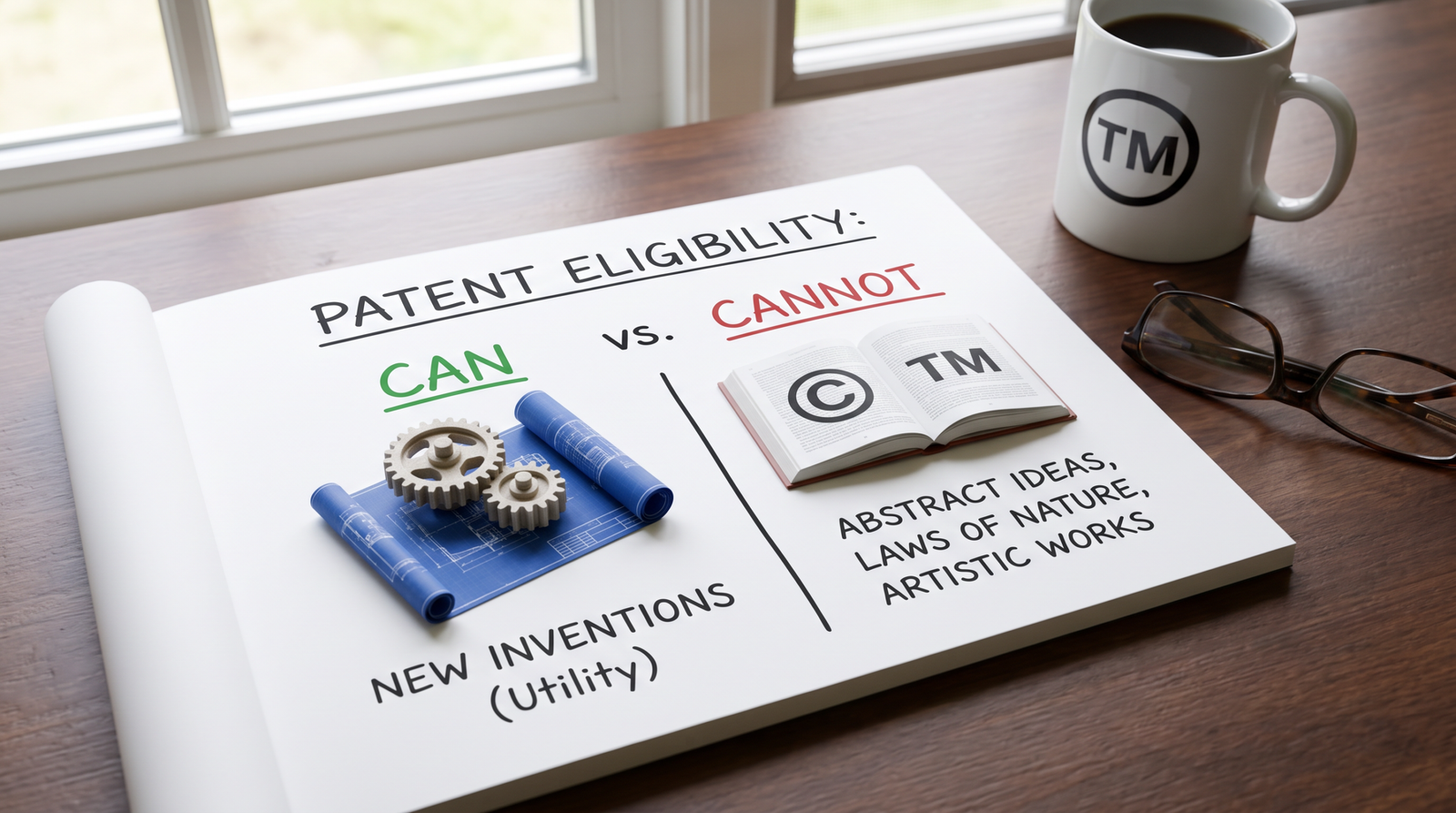
Understanding the Role of Intellectual Property Rights
Updated:
READ:
9 min.


Intellectual property rights help creators and businesses protect their ideas, inventions, and brands by giving them legal control and exclusive benefits. Understanding and securing the right IP protection is important for both economic growth and personal success, but the process can involve costs and complexity.
| Topic | Key Insight | Why It Matters | Action Item |
|---|---|---|---|
| What IP Rights Are | Legal protections for creations of the mind | Protects inventors and creators, turning ideas into assets | Identify what needs protection |
| Types of IP | Patents, copyrights, trademarks, and trade secrets | Each covers different works and business needs | Choose the right IP type |
| Advantages | Drives innovation, competition, and financial rewards | Helps businesses grow and builds trust with customers | Register and manage IP early |
| Disadvantages | Legal complexity and access barriers | Can limit public use and involves costs | Weigh benefits vs. drawbacks |
| Enforcement | Requires agencies, courts, and global standards | Strong enforcement protects revenue and reputation | Have strategies to handle disputes |
| Business Strategy | IP is key for planning and attracting investment | Helps avoid lawsuits, enables growth, and opens partnerships | Integrate IP in business planning |
Intellectual property rights are essential for anyone who creates, invents, or builds a business on their ideas. They answer one big question: what do intellectual property rights do? The short answer is, they give legal protection and exclusive control to creators, helping fuel innovation, economic growth, and fair competition.
Intellectual property rights are special legal protections for creations of the mind. Things like inventions, brand names, logos, written works, software, songs, and secret recipes can all be covered. These rights recognize that non-physical assets, just like real estate or equipment, have real value.
According to the World Intellectual Property Organization (WIPO), intellectual property refers to inventions, literary and artistic works, designs, and commercial symbols, names, and images. Intellectual property rights make it possible for creators to earn recognition or profit from what they make, while eventually giving society the benefit of new knowledge and inventions (WIPO).
The importance? If creators and businesses had no way to protect their ideas, few would risk time or money developing something new. Instead, their work would be copied or stolen instantly – with no reward for their effort.
Intellectual property rights give creators and inventors a set of exclusive tools. These rights allow them to:
So, what do intellectual property rights do for the bigger picture? They turn creative effort into economic value. With protection in place, a business can build a brand, recoup research costs, and expand safely. Without IP rights, there’s little incentive to innovate. This hurts not just inventors, but whole economies (European Commission).
On a personal note, at Metida, we often see how life-changing it is for a small business owner or inventor to secure their rights. Recently, one client patented a unique medical device. Overnight, what started as an idea turned into a valuable company asset, attracting investors and opening doors for growth. That’s the power of IP rights in action.
For a more detailed overview of all IP categories, see our post on What is IP: Intellectual property meaning, types & protection.
Knowing what intellectual property rights exist – and choosing the right protection – is critical. Each type covers different assets and serves different purposes.
Patents protect inventions, giving inventors exclusive control over how their innovation is made, used, or sold for a set time (usually 20 years). For example, a tech startup might patent a new recycling process. Once granted, no one else can legally use that process without permission. In exchange, the inventor must publish details of their invention so others can learn from it after the patent expires (WTO TRIPS). For more details on the patent process, check out our guide on How to patent an idea.
Copyrights protect original creative works fixed in any medium – books, films, songs, computer software, photographs, and more. If you write a song or design a website, copyright prevents others from copying or selling your work without your consent. The protection is automatic on creation.
Trademarks cover the distinctive signs, names, logos, and slogans that identify products or services in the market. For example, the Nike “Swoosh” or McDonald’s “Golden Arches” are trademarks. These rights help consumers spot the genuine article and protect a brand’s reputation.
Trade secrets shield confidential business information that gives a company an advantage – think recipes, formulas, or unique methods kept secret from competitors. A famous example is the Coca-Cola formula. Unlike other IP rights, protection comes from keeping the secret safe, not by registering with a public office.
Key differences: Patents and trademarks require a formal application process, while copyrights exist automatically upon creation and trade secrets rely on confidentiality. All these forms together make up a full intellectual property protection strategy.
Intellectual property rights advantages and disadvantages weigh heavily in any business strategy.
Why they help:
Drawbacks to consider:
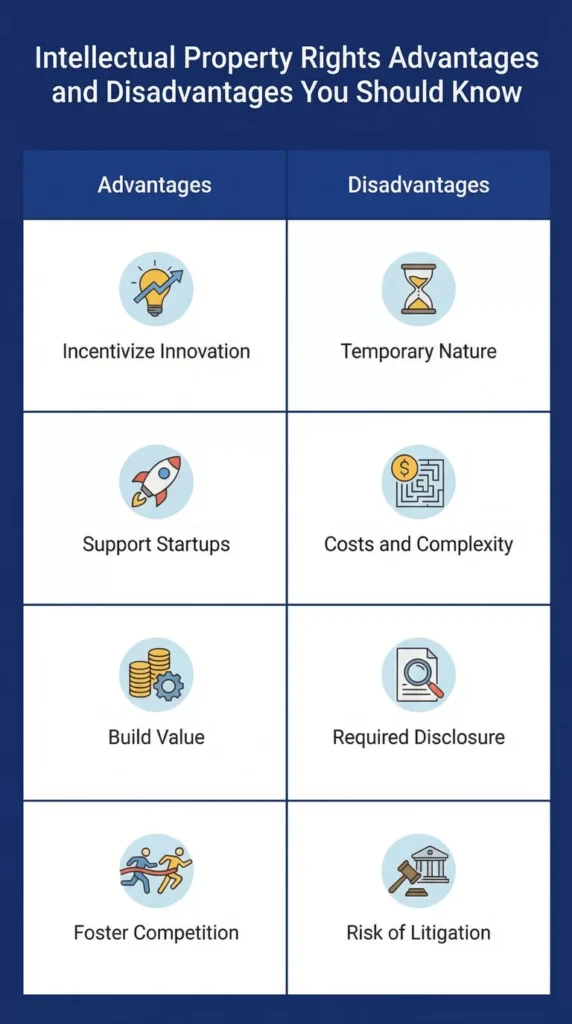
If you want more insight into intellectual property rights advantages and disadvantages, the WIPO guide and European Commission’s portal are excellent starting points.
The biggest question beyond “what do intellectual property rights do for me?” is “why does society need them?” Intellectual property rights aren’t just about private gain. They serve a larger role.
We see the impact every day at Metida – when a small biotech startup or local designer turns new ideas into market success, the benefits ripple outward in jobs, local pride, and global competitiveness.
You might wonder, how to get intellectual property rights? Here’s a practical path.
– Patents: File a detailed application with relevant patent offices, including technical drawings and claims.
– Trademarks: Submit your proposed mark, list goods/services, and ensure no one else is already using it.
– Copyrights: In most places, protection is automatic, but you can register your work to strengthen your legal claims.
– Trade Secrets: No need to file paperwork, but keep information confidential with non-disclosure agreements and company policies.
Best practices? Start early, seek advice, and avoid “do-it-yourself” mistakes. Failing to secure rights or disclosing details too soon can mean losing exclusive protection forever.
We’ve built our business on one core belief: every idea deserves protection. We help you navigate every step of the process, from spotting what needs safeguarding, to filing, monitoring, and enforcing your rights in local and international markets.
We know every client’s situation is unique – so our experts tailor IP strategies that fit your goals and budget. Our services don’t just end with registration. We stand by our clients through enforcement, renewals, and strategy updates as their businesses grow.
If you’re wondering how to get intellectual property rights, or how to protect what sets your business apart, reach out. Safeguarding innovation is in our DNA.
The primary purpose is to encourage innovation and creativity by granting exclusive control to creators, allowing them to profit while balancing this with public good when creations join the public domain.
Patents (inventions), copyrights (creative works), trademarks (brands), and trade secrets (confidential business information).
The court may stop them, award damages, and possibly cover your legal costs.
Usually the creator or the first mark user, but employment contracts or agreements can change ownership.
They give inventors exclusive rights so they can benefit commercially from their efforts, boosting creativity and economic growth.
Intellectual property rights turn ideas into valuable assets. They safeguard your creations, help your business stand out, and power innovation for everyone. The process can be complex – but the rewards are worth it.
If you want to ensure your innovation is protected and your business has a solid foundation, the right partner matters. We’re ready to help you understand, secure, and make the most of your intellectual property rights.
Take the first step to protect what makes your company unique. Your ideas matter – let’s defend them together.